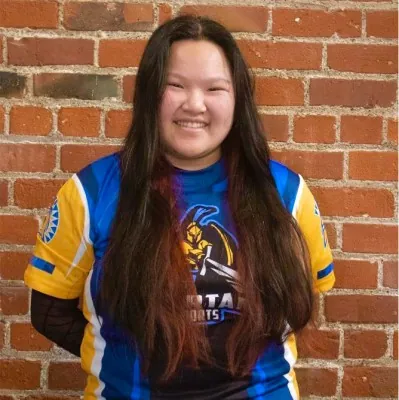
always creating · drinking a matcha · learning new ai skills · creating a figma prototype · planning my next 5k run · petting my cat · editing photos in lightroom · hiking a trail · always creating · drinking a matcha · learning new ai skills · creating a figma prototype · planning my next 5k run · petting my cat · editing photos in lightroom · hiking a trail ·
Designing a card experience that helps Vietnamese American families connect — without forcing the conversation
Role
UX/UI Designer, UX Researcher
Context
Solo Project, Thesis Research
Timeline
March 2026 · 4 weeks
Tools
Figma, Claude, Netlify
Context
In a lot of Vietnamese American families, mental health doesn't get talked about. Not because no one cares — because there was never a language for it.
Love gets expressed through cooking a meal, working double shifts, showing up. Not through "how are you feeling?"
There's no emotional vocabulary in the household — and for many families, there isn't one in the language either. Vietnamese doesn't have direct equivalents for a lot of the mental health terms English speakers take for granted. When a younger generation starts experiencing anxiety or depression, they often have no way to name it to the people closest to them. And when they try, it can land wrong — as weakness, complaint, or ingratitude.
The result: mental health only comes up at crisis point, if it comes up at all.
People learn early to keep it internal. Going to a therapist feels like admitting failure in a culture where you're supposed to be resilient. Talking to a friend feels like being a burden. Talking to family feels impossible.
This is what my MDes thesis at SJSU is trying to understand. The program is focused on experience design — how the things we make shape how people feel, connect, and make sense of their lives. My thesis, Carrying Culture, Becoming Ourselves, looks at what it would actually take to design mental health support for Vietnamese American young adults — not adapted from existing Western tools, but built around the specific barriers this community faces.
room2talk is a research artifact I made as part of that thesis — a prototype for testing one particular idea: that if you remove language from the equation and give people a low-pressure way to reflect in parallel, something might open up that direct conversation couldn't.
Research
I interviewed 4 Vietnamese American mental health and culture professionals and 5 Vietnamese American young adults, then ran a survey with 41 participants to find patterns at scale.
Vietnamese Americans
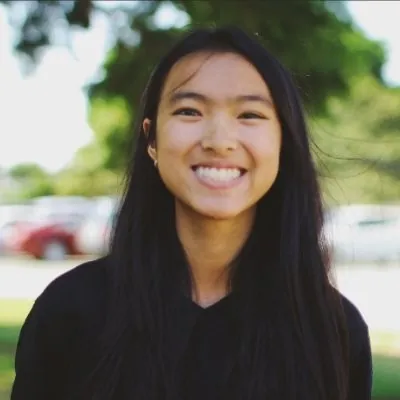
Michelle
Age 27
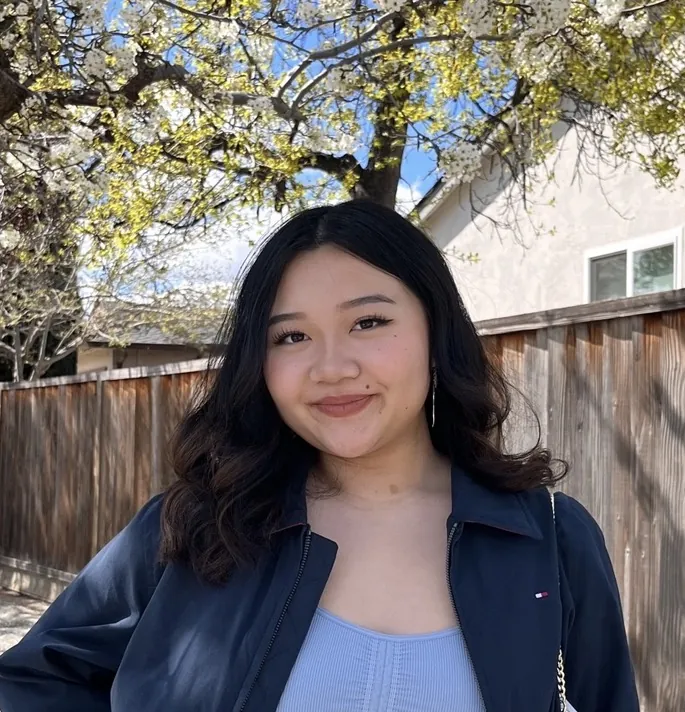
Lauren
Age 23
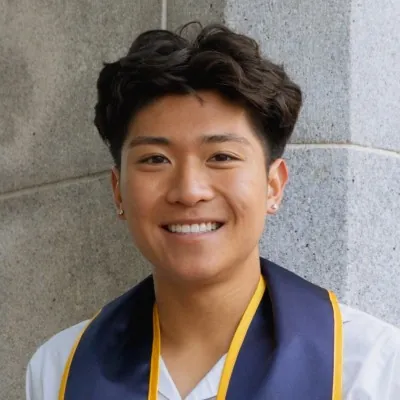
William
Age 23
Natalie
Age 23
Andy
Age 23
Michelle
"We don't slowly talk about it. It has to get to a crisis point before we talk about it."
Lauren
"(Mom) told me there are real problems in the world, that I was making mine up."
Andy
"I don't want to be a burden to a friend… I know everyone else has their own problems too."
Natalie
"Our parents are often part of the problem, but we don't want to hurt them by saying that."
Professionals
Hien Do
Professor of Sociology, SJSU
Van Bui
Licensed Clinical Social Worker, PhD
Roberta "Birdie" Cheng
Licensed Marriage & Family Therapist
Liana Huang
Licensed Clinical Social Worker
Roberta "Birdie" Cheng
"Many aren't used to identifying feelings beyond 'I feel bad.'"
Liana Huang
"Doing something alongside someone — not face-to-face — can feel safer."
Survey · 41 participants
85.4%
turn to friends — not family or professionals
68.3%
wanted culturally targeted resources
65.9%
wanted culturally aware providers
The gap wasn't in care — it was in how care gets communicated. That shaped four principles I kept in mind before opening Figma.
01
Images carry what words can't. Don't ask for direct conversation if it doesn't work.
02
Two people reflecting side by side feels safer than facing each other.
03
When talk only happens at crisis point, the entry needs to feel like play — not therapy.
04
Build for the people already in the room — friends, family — not just professionals.
Process
Designing the cards
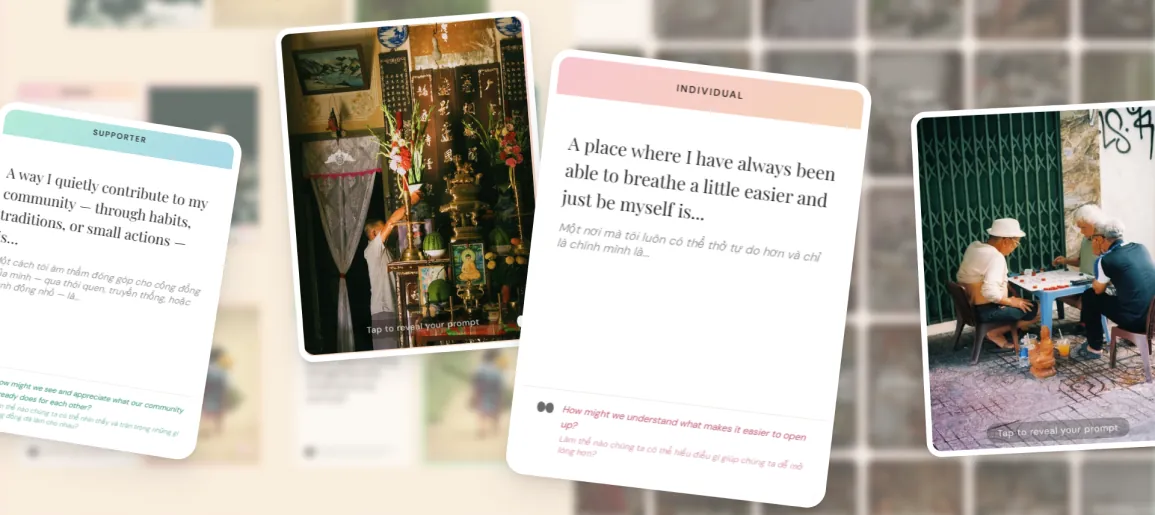
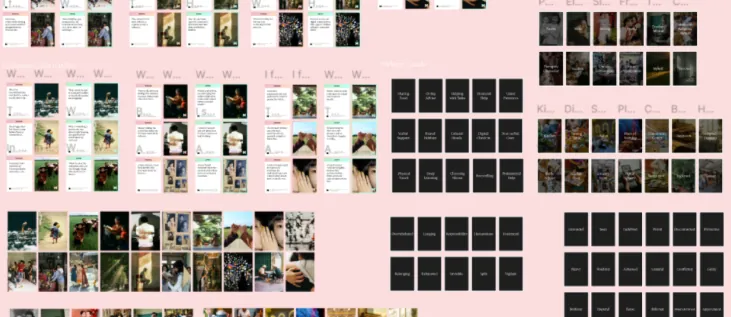
I designed the full deck in Figma first: 40 question cards split by player role, 50+ image cards across four categories.
The full deck system in Figma.
Prototyping with Claude
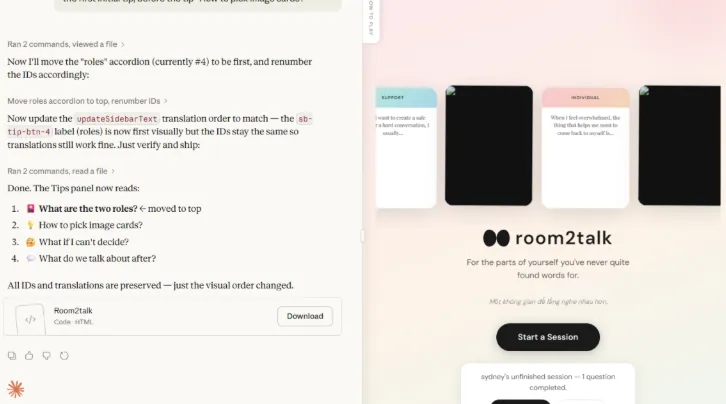
After fully designing the cards, logo, and overall design system, I used Claude to flesh out full game sessions and stress-test the experience. I tested interaction flow, card logic, and pacing — then iterated with real users before shipping.
Stress-testing sessions and pacing before shipping.
Final Product
Mode Selection
Choose Group (2–6 players) or Solo mode, and set how long you want to go before the first card is drawn.
Role-Based Prompts
Each player gets a distinct lens — the Individual reflects on their own experience, the Supporter reflects on how they show up for others.
Image-First Responses
Players answer prompts by selecting image cards across People, Places, Activities, and Feelings, with the option to type a short annotation onto each card.
The Reveal
All responses surface at once, creating a moment of genuine surprise and recognition — players can then talk through what they chose and why, sharing reflections and memories.
Session Recap
The full session is collected and reviewable — see which cards each player chose, which ones both players picked, and ready to save, download, or share.
01
Set the stage, at your own pace.
Group or Solo — whatever fits the moment.
Group Mode
Solo Mode
02
Each person gets their own lens.
Same session, two different vantage points.
Individual's Role
Supporter's Role
03
Answer in images before you answer in words.
No typing required — just pick what feels right.
Choosing image cards + adding notes.
04
The reveal changes what's possible to say.
What was unspoken becomes visible, all at once.
View results, answers, and shared moments.
05
Reflection doesn't have to end when the session does.
The conversation can keep going after you close the app.
Success here isn't a conversion metric — it's whether parallel reflection actually opens dialogue across generations. The next phase tests that with real families: structured sessions measuring whether the reveal creates moments of recognition, and whether conversations continue after the session ends.
Designing for emotional experiences isn't about adding more — it's about making things simpler.
I started this project thinking I needed to create a space for hard conversations. I ended it realizing the job was to create the conditions where hard conversations could happen on their own.
Continuing: testing with real families across generations · exploring a physical + digital version · refining pacing through live playtesting.
 sydney's desktop