Sydney
Sydney Nguyen
UX/UI Designer
Navigate
About Me Experience Creative Marketing & Design
Contact
sydney.nguyen01@sjsu.edu LinkedIn Resume
UX/UI · SJSU Mdes
Live Demo ↗
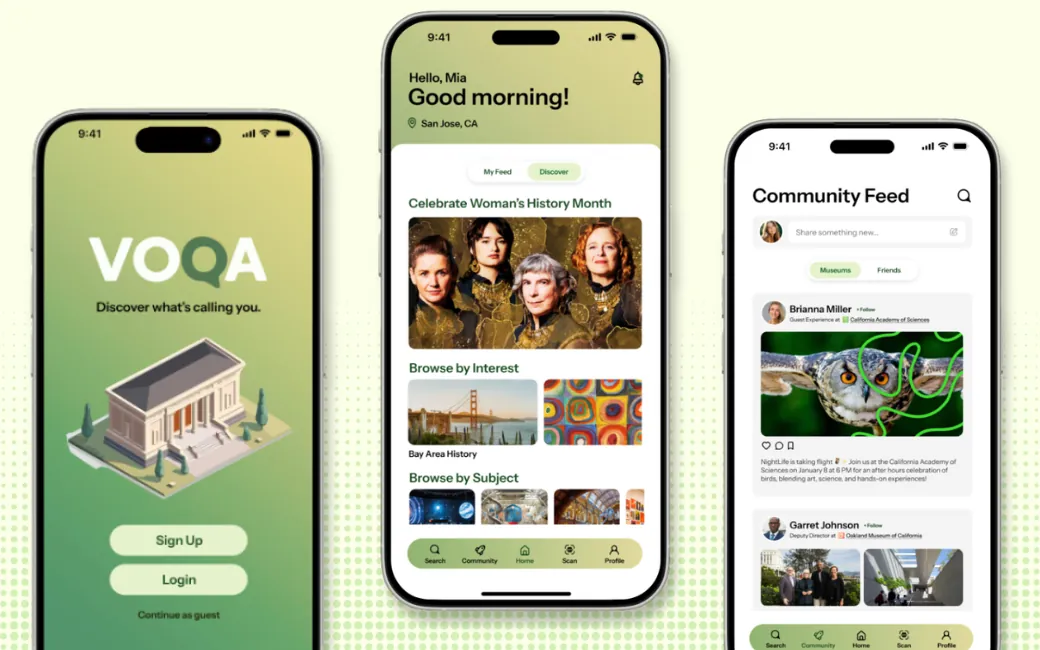
VOQA app screens: sign-in, personalized home feed, and community feed
Case Study · VOQA

Helping visitors and museums stay connected — a personalized way to discover what's happening, nearby

Role
UX/UI Designer, UX Researcher
Context
Team Project, Graduate Coursework
Timeline
10 weeks
Tools
Figma, Google Forms, Miro
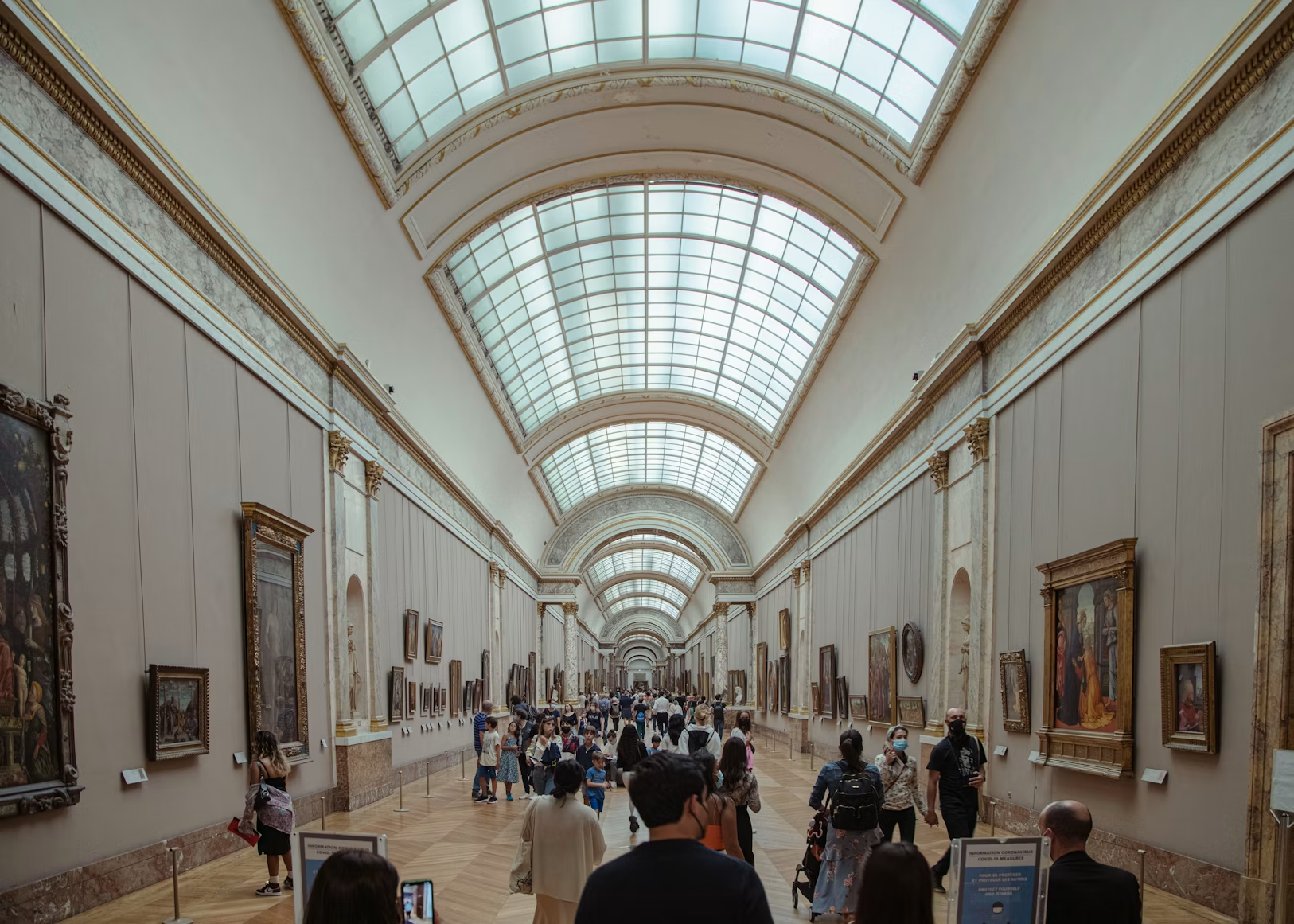
A local museum space

Context

Museums and civic spaces have more to offer than most people realize — but the gap between what's happening and what people actually know about keeps growing.

Most of what's happening locally never reaches the people who'd actually want to be there.

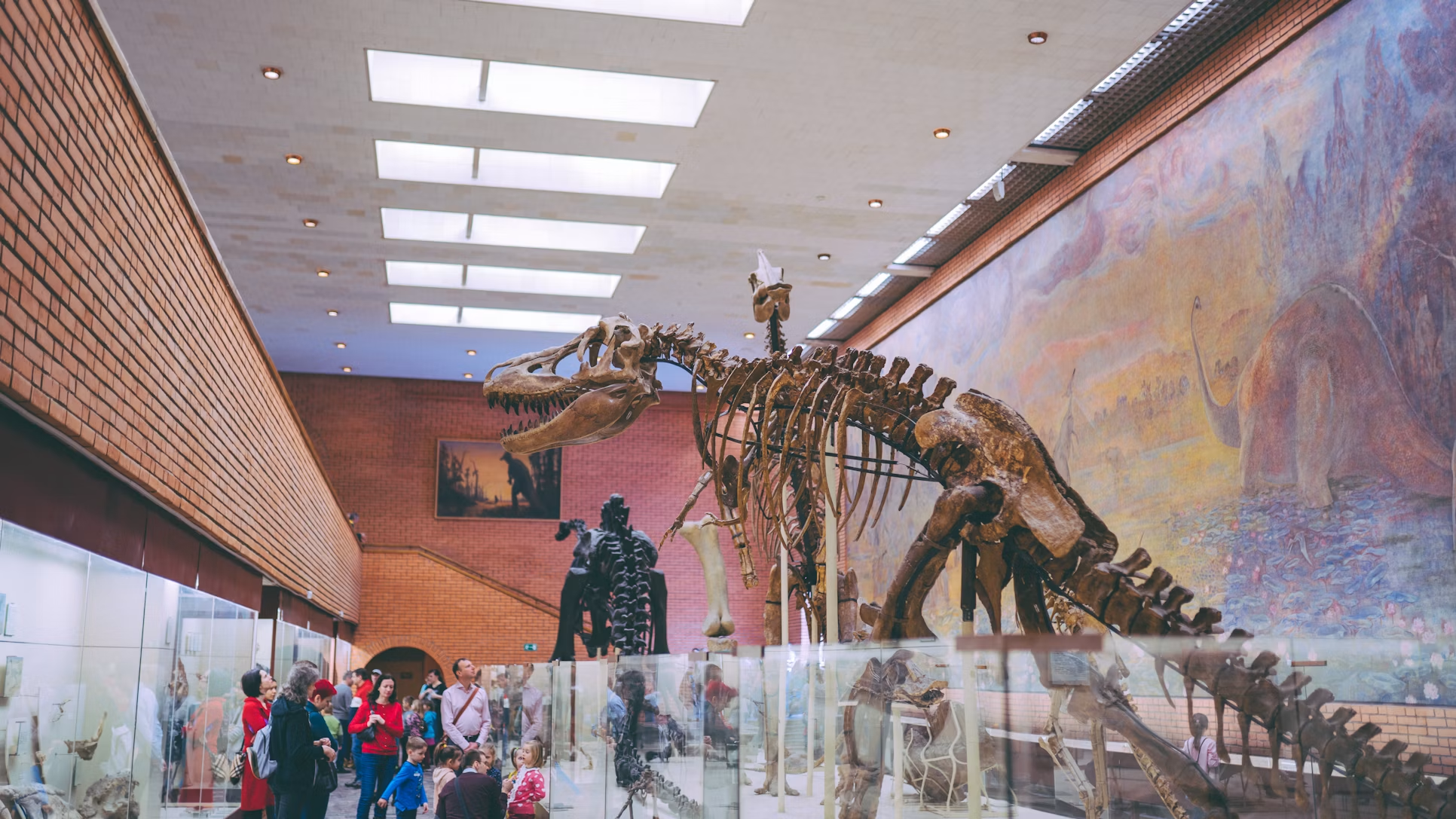
Local museums, cultural centers, and community spaces host exhibits, talks, and events year-round. Yet for most visitors, discovering any of it means stumbling onto a flyer, scrolling through a cluttered events page, or simply not knowing it happened at all.

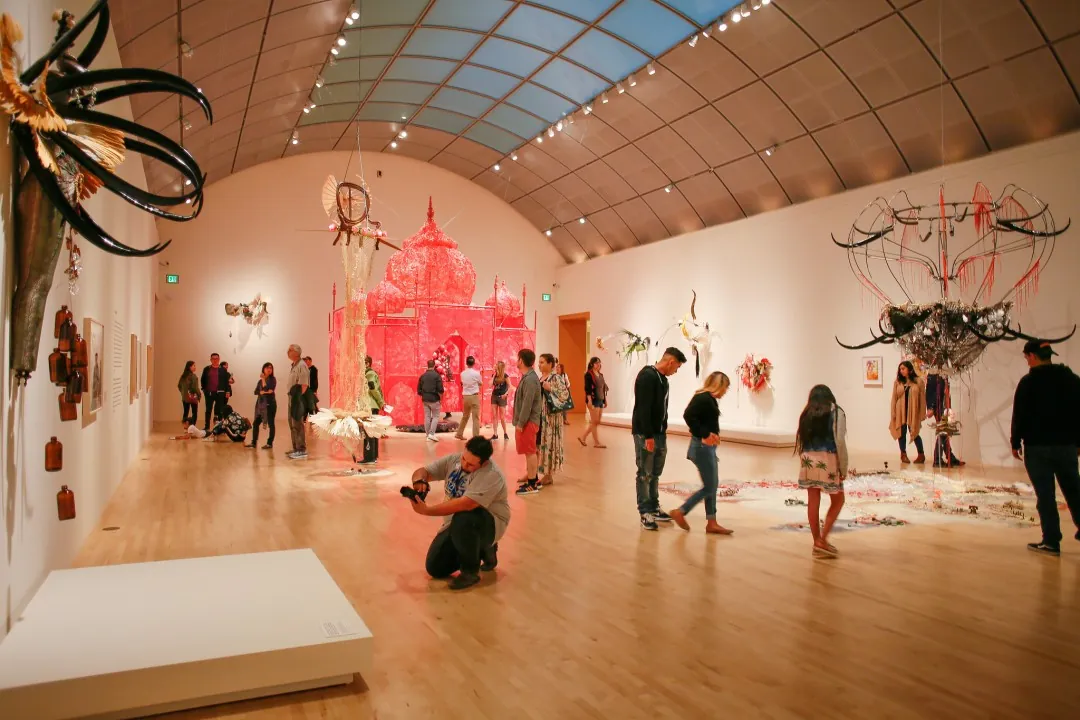
Visitors in a museum exhibit space

Museums want to be found just as much as visitors want to find them — neither side has the tools to make that happen.

Museum professionals want to reach broader, younger audiences, but have limited time, staff, and tools beyond their existing channels. Visitors are curious and willing to explore, but only if something feels relevant, nearby, and easy to find.

VOQA is a mobile app that helps visitors discover museums and community events that match their interests, and helps museums reach the people who'd actually want to show up — without either side doing more work.

Research

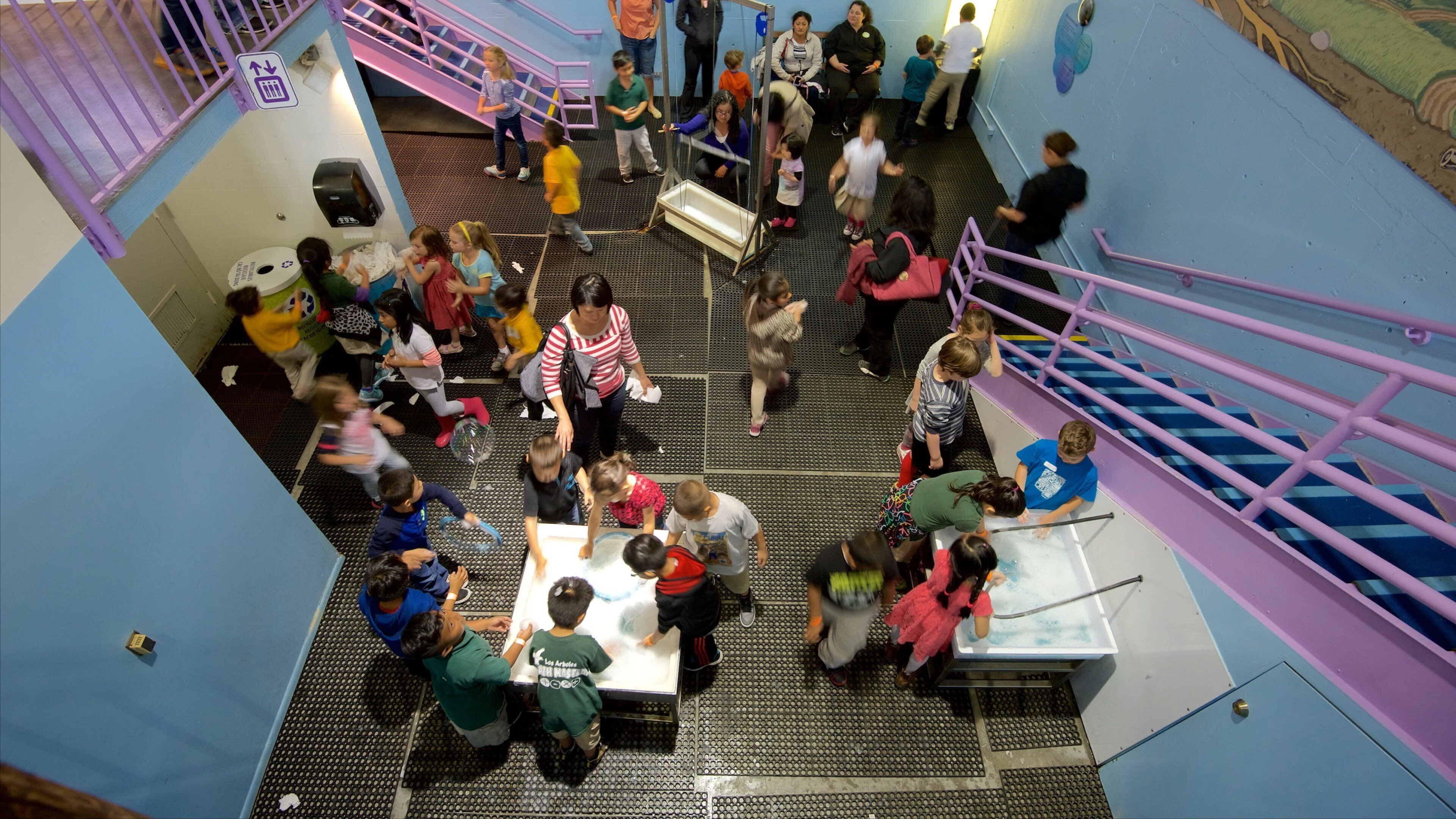
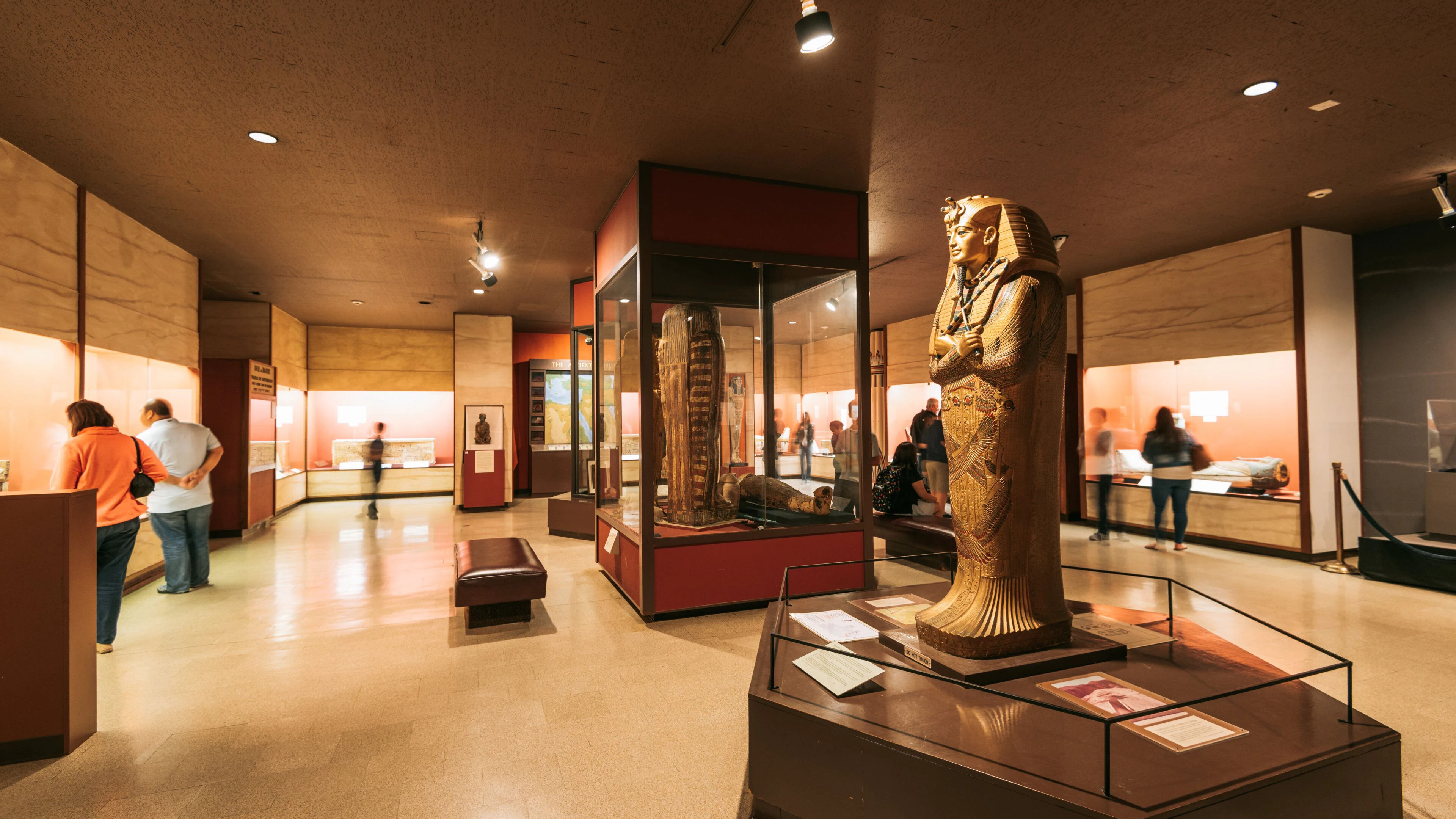
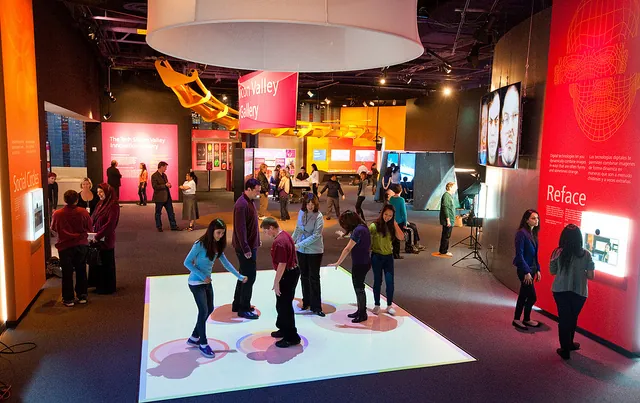
Our team visited two local museums in person — the San Jose Museum of Art and the Children's Discovery Museum — observing how visitors moved through each space and interviewing staff and visitors on-site. To broaden our perspective beyond what we could observe firsthand, we also spoke with professionals at the Rosicrucian Egyptian Museum and The Tech Interactive, and with independent curator Mara Holt Skov.

In total, we spoke with 18 people — 10 museum professionals and 8 visitors — across San Jose Museum of Art, Children's Discovery Museum, Rosicrucian Egyptian Museum, and The Tech Interactive. Two clear groups emerged, each experiencing the same gap from opposite sides.

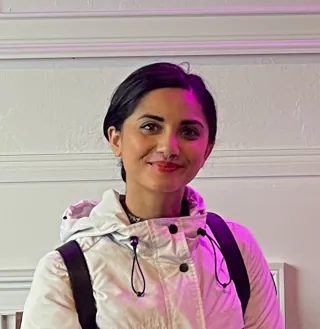
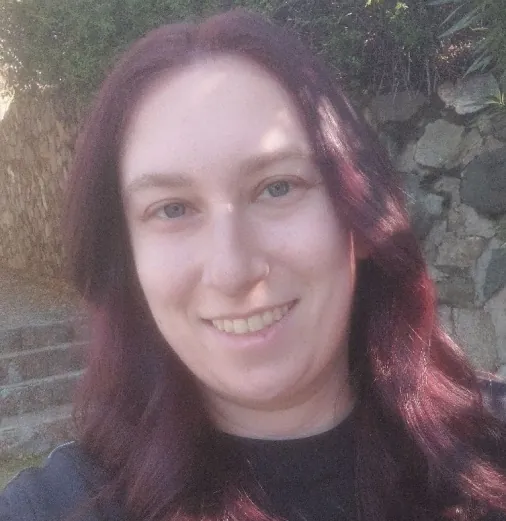
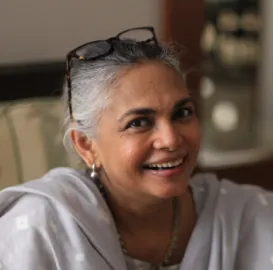
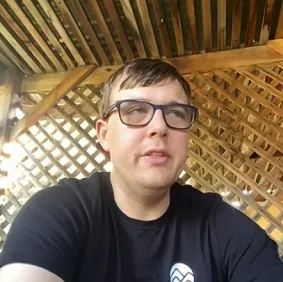
Visitors

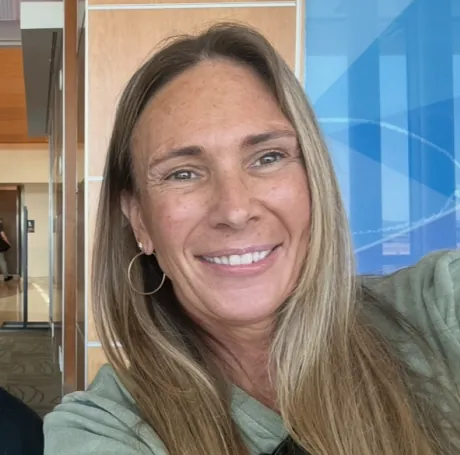
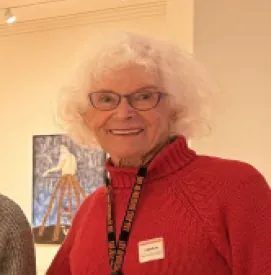
Jennifer

Jennifer

Life Coach

Maaheem

Maaheem

Writer & Marketer

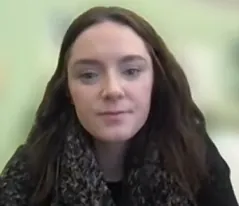
Sarah

Sarah

911 Operator

Julio

Julio

Assistant Manager

Yusef

Yusef

Analyst

Shahla

Shahla

Art Teacher & Artist

Michael

Michael

Custodian

Anthony

Anthony

Grad Student

Learns through stories and slow, personal engagement. Wants to discover something new, share it, and walk away with a different perspective — but dense exhibits or a lack of representation can shut that down fast.

Julio

Julio

"I've left museums feeling more aware of struggles that other countries are experiencing… that's inspired me to take action, like looking up organizations and donating."

Anthony

Anthony

"I'd like to see more representation of those experiences, including LGBTQ+ communities."

Professionals

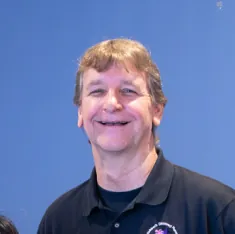
Joan

Joan

Volunteer Docent, SJMA

Kelsey

Kelsey

K–12 Curriculum Manager, SJMA

Rich

Rich

Director of Exhibits, CDM

Terrence

Terrence

Senior Exhibit Designer, CDM

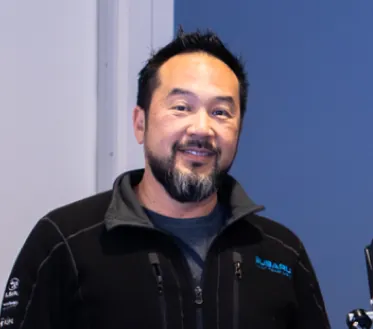
Kevin

Kevin

Exhibit Craftsperson, CDM

Kristi

Kristi

Content Marketing Manager, CDM

Jenni

Jenni

Retired Director of Education, CDM

James

James

Education Programs Developer, Rosicrucian

Erica

Erica

Education Programs Developer, The Tech

Mara

Mara

Art Historian & Curator

Mission-driven, working to make museums feel inclusive and worth returning to. Wants to highlight underrepresented stories and build trust with the community — but gets little visibility, sparse feedback, and credit for work visitors never see.

Erica

Erica

"Civic engagement means people feeling that their contributions to their community matter and that they have both agency and responsibility."

Kristi

Kristi

"We are the bridge — the mouthpiece that connects everything happening behind the scenes to the public, while also relaying feedback to the team."

Visitors want to engage at their own pace and feel represented. Museums want real signal from the people they're trying to reach. Neither side has had the tools to make that happen.

Process

Defining the question

How might we help visitors discover museum experiences that matter to them, while giving museums a simple way to reach the people who'd want to show up?

This question shaped every decision that followed: VOQA needed to feel personal for visitors — a feed worth checking, not another events board — while staying lightweight for museums to keep updated.

Mapping the flow

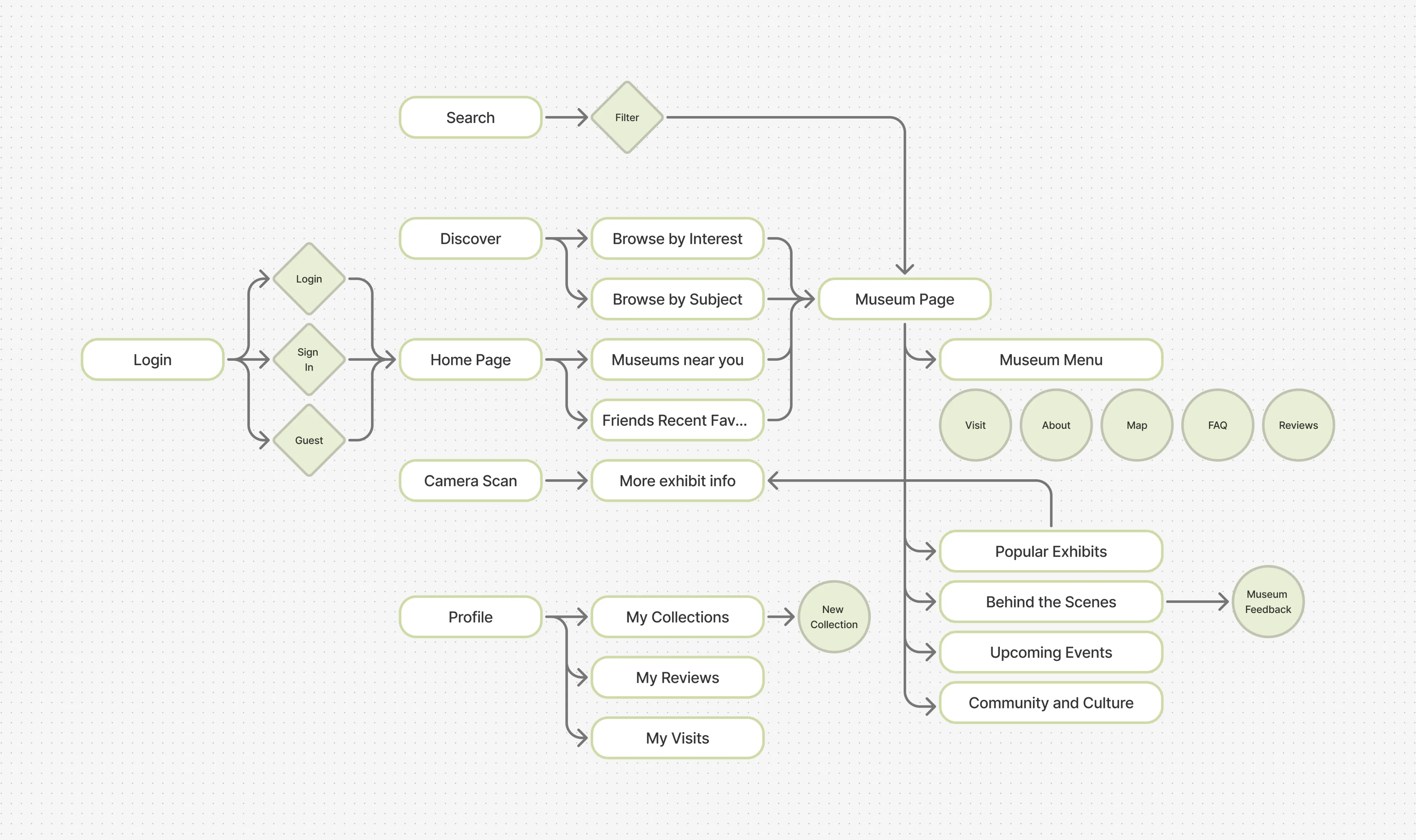
Before designing screens, we mapped how a visitor would move from first opening the app to finding and engaging with a museum — from sign-in, through discovery, into a museum's page, and out to saved collections and visit history.

VOQA app architecture diagram showing the flow from login through discovery, museum pages, and profile
From sign-in to discovery to museum pages.

This map made one thing clear: discovery couldn't be a separate destination. It needed to live on the home screen, front and center, personalized from the moment someone opens the app.

Final Product

VOQA is a mobile app that helps visitors discover museums and community events that match their interests, and helps museums reach the people who'd actually want to show up.

Personalized Home Feed

Surfaces exhibits and events tied to what a visitor already cares about, instead of acting like a generic events board.

Map-Based Discovery

Find nearby museums and community spaces in seconds, without digging through separate museum websites.

Community Feed

Museums post updates — upcoming events, new exhibits, behind-the-scenes — on their own page and the shared feed. Visitors can post reviews and see friends' reviews, building trust in what's worth checking out.

Camera Scan

Point your phone at an exhibit to get context instantly, replacing static or overwhelming text labels.

Personal Collections

Save exhibits and events by interest, building a collection of places worth revisiting.

Cross-Museum Visibility

Gives smaller museums a simple, shared channel to reach the visitors who'd actually want to show up — not just their existing audience.

01

Ease of access

In seconds, you're looking at things you actually care about.

Personalized home feed
Map-based museum search
02

Stay up to date

Less events board, more feed you actually want to check.

Community feed — museums and visitors, side by side.
03

Learn and explore

Point, scan, and save what's worth coming back to.

Camera scan — point at an exhibit to learn more.

Connection isn't just a feature — it's the whole product.

The biggest shift in this project was realizing that "discovery" wasn't a search problem, it was a relevance problem. Once the home feed became personal, everything else — community activity, museum pages, saved collections — followed naturally from it.

Designing for two audiences at once taught me to stop optimizing for either one alone.

It would've been easier to build for just visitors or just museums. The gap only closed once I treated connection itself as the product — not a feature wrapped around two separate apps.

Continuing: testing the personalized feed with real visitors and museum partners · refining how museums update their pages with minimal effort · exploring notifications for saved interests.